分类
新西兰 热点话题 编辑推荐 观点与评论

Free Speech: The Foundation That Makes All Other Freedoms Possible

by Jillaine Heather

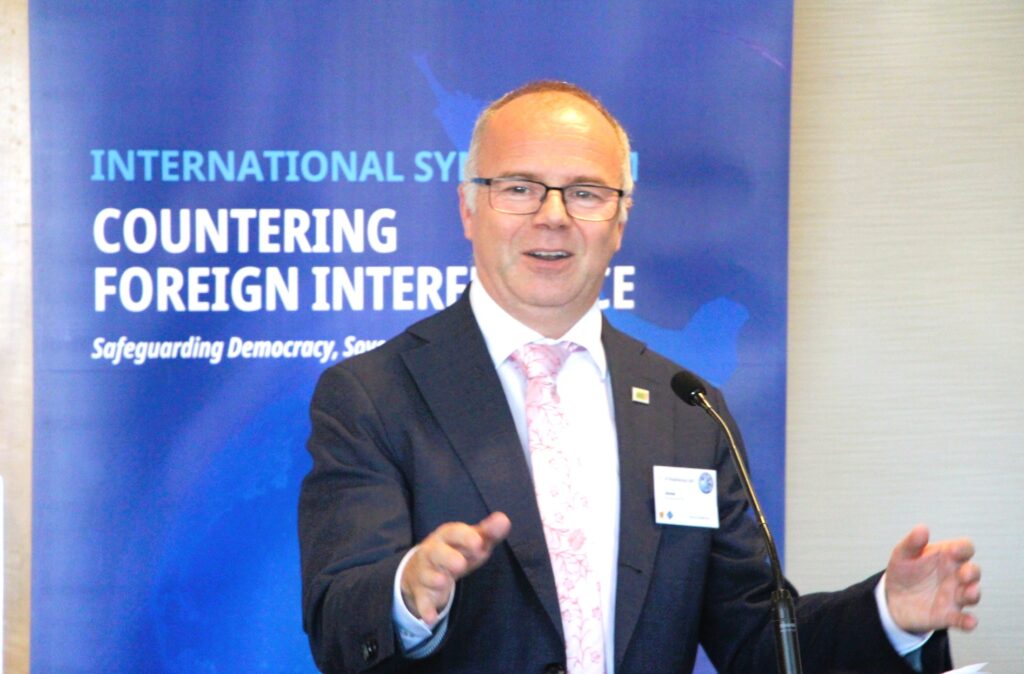
Key notspeech at the Countering Foreign Interference & Safeguarding Democracy, Sovereignty and Open Societies Symposium – 21 February 2026, Auckland


Good afternoon, everyone.

I’d like to extend a warm and heartfelt welcome to this international symposium focused on Countering Foreign Interference and Safeguarding Democracy, Sovereignty & Open Societies.

My name is Jillaine Heather. I am the Chief Executive of the Free Speech Union New Zealand, and the Free Speech Union is proud and honoured to be co- hosting alongside the Tasman Alliance of New Zealand.

I’d like to acknowledge the Tasman Alliance and “Lao Chen “/ Chen Weijian for organising this conference. It takes courage to build a pro-democracy organisation in any country. It takes particular courage when the regime you are standing up to has a very long reach.

I’d also like to welcome and thank all the speakers who have come from across New Zealand and overseas, and extend a warm welcome to our distinguished guests and speakers from Taiwan, and finally to extend a welcome and thank you to everyone here for showing up today to listen and participate.

Look around this room. You are not alone. Every person here has made a choice to be present, to stand up, to refuse to be silent. That is not a small thing. And the fact that we are here together, from different countries, different communities, different experiences, matters. Because the forces that want to silence us count on us feeling isolated, scared and divided. Today is proof that we are not.

Today you will hear from academics, politicians, journalists, experts, and fellow civil liberty advocates – who have all stood up for democratic freedoms.

But I am not here today as an academic or a policy expert. I am here because Portia Mao reached out to the Free Speech Union a few years ago – and her case is a powerful reminder of why freedom of speech – the ability to criticize, ask questions and disagree – is so important in a functioning democracy – and her case demonstrates how quickly that foundation can be attacked.

WHY FREE SPEECH IS THE FIRST TARGET

Foreign interference does not begin with spies or cyberattacks. It begins with silence.It begins with making speech expensive, risky, and exhausting – until people decide it is easier to say nothing.

Every authoritarian regime in history has understood this. The first thing they go after is not the army, the economy or the courts. It is the right to speak, it is communication. Because if you control what people can say, and the information they have access to, you don’t need to control much else.

That is why free speech is not just one freedom among many. It is the freedom that makes all the others possible.

Without it, you cannot organise.

You cannot protest.

You cannot hold power to account.

You cannot even name what is happening to you.

Every other right – democracy, rule of law, freedom of association – depends on the ability to speak.

Two weeks ago, two investigative journalists in China published an article on WeChat exposing local corruption. Three days later, both were arrested. The charge? “making false accusations” – essentially for writing a news article.

Then the article is deleted. Posts supporting the journalists were removed. And the message is clear: speak, and bear the personal cost. Only silence is tolerated

That is China in 2026. But as everyone in this room knows – some of those tactics are here as well.

PORTIA MAO’S STORY

Many of you know Portia Mao. She emigrated from China over two decades ago, became a journalist, and worked with the Stuff Circuit team on the documentary The Long Game, which exposed CCP interference in New Zealand. By putting her name in those credits, she put a target on her back.

Now what happened next should alarm every person in this room. A man she had investigated – Morgan Xiao, an aspiring politician and ardent CCP supporter – used the Harmful Digital Communications Act to obtain a court order barring Portia from criticising him. The application and court order was made without her knowledge.

The court sent one email – it bounced. Nobody tried again. Portia found out because Xiao was bragging about his victory on a Chinese-language chat forum.

Let me say that again. A journalist in New Zealand was gagged by a court order she never knew about, obtained by a man using a New Zealand law to silence scrutiny of his political activities.

Honestly, you could not make this up.

WHAT THE FSU DID

So, Portia reached out to the Free Speech Union for help. The FSU funded a barrister (her lawyer) to represent her.

In June last year, the judge ruled in Portia’s favour. He found her commentary did not amount to harmful digital communications. He found Morgan Xiao was – and I am quoting the court – “not a vulnerable person.” He warned against the weaponisation of legal tools to silence political criticism.

But Xiao was not finished. He tried the same thing against Justin Wong, a journalist for Stuff. Justin’s crime?

  • He had reposted one of Portia’s articles on LinkedIn.
  • He had also sent Xiao an email asking questions for a story.

The judge dismissed this case, and in her decision, she cited Portia’s case – the precedent the Free Speech Union helped set. The earlier victory directly protected the next journalist.

That is how this works. You fight for one person’s right to speak, and you slowly but surely build a wall that protects everyone who comes after.

And that is why gathering like this matters. Every case we win, every person who stands up, every room like this one – it makes the next act of courage, or defiance a little less lonely and a little less costly.

THE PATTERN

Now, these cases are part of a pattern – and many of you know it far better than I. Within the Chinese community in New Zealand, people who criticise the CCP get labelled “anti-China.” They are abused on Chinese-language social media.Their families back in China are contacted. They are surveilled. They are photographed at events like this one.

I want to be very clear: this should not be happening in New Zealand. New Zealand is not part of China. The political standards of the Chinese Communist Party have no authority here. Every person in this country has the right to criticise any government, any party, and any leader.

That is not a privilege. It is the baseline of a functioning democracy.

The NZ Security Intelligence Service’s 2025 threat report named the People’s Republic of China as the most active state conducting foreign interference in New Zealand. The Director-General said the public would often notice threats before the intelligence services did. – He was talking about you.

And it is not just Chinese born individuals. Three weeks ago, the Chinese Embassy in Wellington publicly condemned the New Zealand Herald for publishing an opinion piece about Taiwan – written by Jonathan Ayling.

A foreign embassy – telling a New Zealand newspaper what it is and is not allowed to print. We issued a media release emphasizing that our media exists to serve a New Zealand audience, not to reflect the sensitivities of overseas states.

WHY THE FSU MATTERS – WHO WE ARE

I want to speak directly about why the Free Speech Union’s work matters so deeply – particularly for diaspora and minority communities.

Portia’s case was not just about one journalist. It was about whether the Chinese community in New Zealand would be allowed to have independent voices, an independent press, and independent thought.

The outcome of the judge’s ruling matters beyond the courtroom. It helps shape how members of the community understand and choose between different values.

It says: in New Zealand, you are free to speak and free to criticise. And if someone tries to silence you, there are people who will stand with you.

Free speech is not a luxury for the comfortable majority nor just a privilege of the powerful (as we so often hear these days). It is the enabling right – the foundational right that makes all other rights usable. And the people who need it most are often the minority cowant to speak directly about why the Free Speech Union’s work matters so deeply – particularly for diaspora and minority communities.

Portia’s case was not just about one journalist. It was about whether the Chinese community in New Zealand would be allowed to have independent voices, an independent press, and independent thought.

The outcome of the judge’s ruling matters beyond the courtroom. It helps shape how members of the community understand and choose between different values.

It says: in New Zealand, you are free to speak and free to criticise. And if someone tries to silence you, there are people who will stand with you.

Free speech is not a luxury for the comfortable majority nor just a privilege of the powerful (as we so often hear these days). It is the enabling right – the foundational right that makes all other rights usable. And the people who need it most are often the minority communities with the least institutional support.

For those who do not know us – the Free Speech Union exists to defend the right to speak, to think, and to question, freedom of speech, conscience and intellectual inquiry

  • mmunities with the least institutional support.

For those who do not know us – the Free Speech Union exists to defend the right to speak, to think, and to question, freedom of speech, conscience and intellectual inquiry

  • We are a registered trade union, which means that we can represent members in workplace freedom of speech disputes.
  • We are non-partisan. We don’t care where you sit politically.
  • We care whether you can speak.

We have written over 120 letters to ministers, regulators, and institutions. We have filed more than 100 submissions. We have supported people who have lost their jobs, faced disciplinary action, or been dragged through the courts for saying what they believe. And it has worked.

We funded Portia’s legal defence and won, setting a precedent that protected the next journalist targeted by the same complainant.

  • We backed a 15-year-old student excluded from his school speech finals for the content of his speech, and the school apologised and invited us in to deliver free speech training.
  • We exposed unlawful police training that treated ordinary opinions as hate incidents
  • We fought hate speech laws and won.
  • We advocated for academic freedom legislation, and the Select Committee adopted most of our recommendations.

These are not abstract wins,

They are people who kept their voices, their jobs, and their dignity.

If you are facing pressure for speaking out – legal threats, workplace consequences, community intimidation – contact us. Become a member, we are a grass roots donor funded organization, support us, refer cases to us.

Every case we are able to take on makes the next person’s voice a little easier.

CHANGING THE LAW

And the good news is that the legal landscape is shifting – and the FSU has been part of making that happen.

The Harmful Digital Communications Act was meant to protect vulnerable people from online bullying. Portia’s case proved it can be weaponised to silence political speech.

In December, Melissa Lee, a Member of Parliament, lodged an amendment bill, developed in close consultation with the FSU, to fix exactly that:

  • stronger protection for political commentary,
  • a public interest defence, and
  • no more gagging people who do not even know they are in court.

And in November last year, Parliament passed the Crimes (Countering Foreign Interference) Amendment Act, creating new offences for covert, deceptive, or coercive actions on behalf of a foreign state. You will hear more about this from the speakers directly involved.

These changes signal something important: New Zealand is beginning to take foreign interference seriously, not just as an intelligence problem, but as a threat to democracy (whicThese changes signal something important: New Zealand is beginning to take foreign interference seriously, not just as an intelligence problem, but as a threat to democracy (which is fragile and needs protection), and as a threat to the rights of people in communities like yours.h is fragile and needs protection), and as a threat to the rights of people in communities like yours.

REMOVING THE FEAR

I want to close with something simple. This conference exists because people refused to be silent.

Portia published her journalism because the public had a right to know. She was gagged. She fought back. She won. She is still here.

Justin Wong asked questions for a story. He was taken to court. The case was thrown out. He is still reporting.

Every person in this room who has chosen to speak – despite the risk, despite the cost, despite the pressure – is doing something profoundly important.

Because free speech does not survive on its own. It survives because people insist on using it.

Foreign interference depends on silence. It depends on fear. Every time someone in this room speaks, that silence cracks a little more.

And every time we gather like this – across borders, across communities, across languages – we prove something the authoritarians do not want proved: that the people who believe in freedom outnumber the people who fear it.

You are not alone in this fight. The person sitting next to you is not alone. And neither are we.

Free speech is not given to us by governments. Free speech is the natural condition of a free people. It is what happens when fear is removed.

Our job – the Free Speech Union’s job, your job, all of our jobs – are to speak up individually and collectively to remove the fear.

Thank you.

Jillaine Heather

Chief Executive Officer

Free Speech Union (New Zealand) Incorporated
分类
新西兰 热点话题 编辑推荐

行动党议员Todd Stephenson:民主韧性与自由的重要性

——在“捍卫民主与自由、反制外国干涉”国际研讨会上的演讲


–

女士们、先生们、各位嘉宾、各位演讲者,以及所有热爱自由的朋友们:

首先再次感谢塔斯曼联盟主办这场重要的研讨会,并让我们今天齐聚一堂。

对于不认识我的朋友——我相信这样的人不少——我是托德·斯蒂芬森,新西兰行动党的一名首次当选国会议员。虽然我未必像今天其他演讲者那样资历深厚,但我很高兴能为这一重要讨论贡献自己的声音。

我也要向我的议会同事海伦·怀特致意。海伦和我将向议会同事们通报本次活动及其讨论内容,其中包括今晚我将会见的新西兰副总理戴维·西摩阁下。

副总理是台湾的坚定支持者,目前行动党四位国会议员都曾访问过那座美丽的岛屿。

我居住在皇后镇,这是一个非常宜居的地方。我出生并成长于南地,在但尼丁完成大学学业。我成长于20世纪80至90年代——那是新西兰经历深刻经济自由化与社会改革的时期。

在这一时期,我们的经济逐步对外开放,政府干预减少。我们在生产、消费以及商业运作方面获得了更大的经济自由。

更重要的是,作为贸易国家,我们进一步融入世界——取消进口许可,大幅降低关税,废除补贴。与此同时,还实施了劳动力市场改革、国有资产出售以及国家体制结构调整。

在社会领域,也发生了重要改革:同性恋合法化、《怀唐伊条约法庭》职权扩展、新西兰无核政策,以及——对行动党成立至关重要的——混合比例代表制(MMP)选举制度的确立。

当然,人们可以对这些改革持不同看法。但对我而言,关键在于:在成长过程中,我亲眼见证了新西兰人如何通过民主投票实现变革。这让我深刻理解民主的重要性。

遗憾的是,当今世界民主国家数量远少于非民主国家。这正是举办今次活动的重要原因——我们需要探讨如何维护民主及其核心价值。

新西兰是世界上持续时间最长的民主国家之一,但我们绝不能对此掉以轻心。我坚定信奉个人自由、机会平等与有限政府原则——这些正是行动党的核心理念,也吸引我投身政治。

事实上,行动党的基本原则之一是:

“作为个体的人天然拥有对自己生命的所有权,并应当有权按照自己的判断自由行动,只要他们尊重他人享有同样的自由。”

这一理念建立在自由民主的基本权利之上,包括:

  • 言论与意见自由
  • 结社与集会自由
  • 投票与参与政府的权利
  • 免受歧视与法律面前平等
  • 公正审判与正当程序权利
  • 思想、良心与宗教自由
  • 新闻自由与获取信息的权利

作为国会议员,我每天都必须思考这些权利,而言论自由对我尤为重要。

在当今世界,威权政权通过干涉、胁迫与虚假信息积极破坏开放社会。在这种背景下,自由表达并非奢侈,而是民主社会识别、讨论并抵御威胁的关键机制。

民主韧性,是指一个社会在面对外部压力、内部分裂和颠覆企图时,仍能坚守核心价值的能力。健全制度、法治、透明治理以及与志同道合国家的联盟,都至关重要。但如果没有对言论自由的有力保护,这些都无法有效运作。

我曾因在议会邀请一些争议性演讲者而受到批评。但我深知,言论自由确保少数群体能够发声,为其重要议题进行倡议,它是保护少数群体的关键权利。作为议员,我经常为他人提供表达观点的平台,即使我未必认同他们的立场。

言论自由是民主的氧气:它让思想自由竞争,揭露谎言,监督权力,并推动创新与进步。

为什么言论自由在反制外国干涉中如此重要?因为威权行为体——尤其是中共政权——依赖压制异议来维持控制。他们将这些手段输出海外:恐吓侨民社区、向学界与媒体施压、传播虚假信息,并通过统战工作影响制度。

如果没有言论自由,我们无法公开讨论这些威胁、点名其性质或组织应对。公开辩论使我们能够揭露统战活动、网络入侵、经济胁迫以及渗透政治、大学与公民社会的行为。

我们也必须持续审视新西兰自身的防护机制。作为司法委员会成员,我曾深入参与《刑法(反制外国干涉)修正案》的审议。该法案去年通过,这是议会迟来的重要举措。

今天我们还听取了PILLAR提出的《外国影响力透明法案》建议,我一定会将这一想法带回议会讨论。

当我们发现本地的异常现象时,也必须直言不讳。

近期媒体广泛报道黎智英在香港被囚事件。新西兰媒体,包括国家广播电台,都进行了报道。然而我获悉,RNZ中文平台并未提及此事。这是刻意审查,还是相关人员出于自身及家人安全的担忧?

我认为,RNZ需要审视其中文新闻服务的独立性,同时也要保障员工安全。

新西兰拥有捍卫自由的光荣传统——从战争贡献到太平洋伙伴关系皆是如此。我们支持一支现代化国防力量,强化与台湾关系,并对外国干涉保持警惕。

朋友们,民主韧性要求我们积极捍卫那些习以为常的权利。

通过捍卫言论自由与人权、推动跨党派与国际合作,并坚决反对一切形式的审查,我们才能建立威权干涉无法征服的社会。

让我们共同致力于建设一个更加自由、更加坚韧的未来。

谢谢大家。


Democratic Resilience and the Importance of Freedom

Speech to the International Symposium on Safeguarding Democracy and Freedom, and Countering Foreign Interference.

Ladies and gentlemen, distinguished guests, fellow speakers, and friends of freedom. 

Thank you once again to the Tasman Union for hosting this important symposium and bringing everyone together today. 

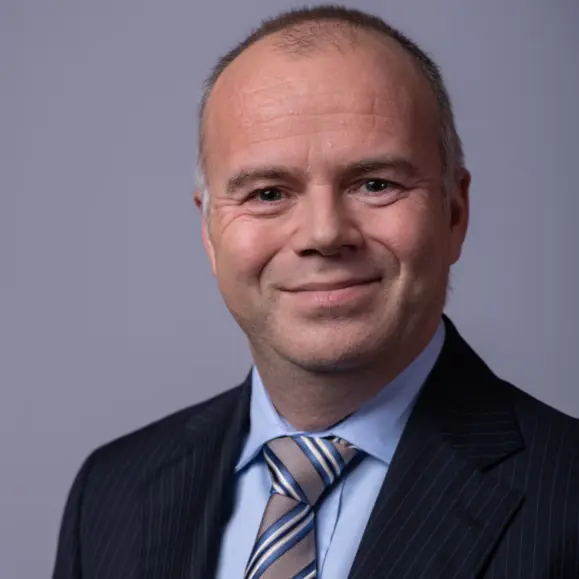
For those of you who don’t know me – and I’m sure that’s quite a few – I’m Todd Stephenson, a first-term ACT New Zealand Member of Parliament. While I don’t feel as qualified as many of the other speakers you’ve heard today, I’m very happy to add my voice to this important discussion. 

I’d like to acknowledge my fellow Parliamentary colleague, Helen White. Helen and I will ensure our colleagues know about this event and what was discussed. That will include New Zealand’s Deputy Prime Minister, Hon David Seymour, whom I’ll be with this evening.

The Deputy Prime Minister is a strong supporter of Taiwan, and four of the current ACT MPs have visited that beautiful island. 

I live in Queenstown. It’s a lovely place to call home. I was born and raised in Southland and attended university in Dunedin. I grew up in the 1980s and 1990s – a time when New Zealand was going through a great deal of economic liberalisation and social reform.

Over this period, our economy was opened up and government intervention reduced. We gained more economic freedoms in what we could produce and buy, and in how we conducted business. 

Importantly, we further opened to the world as a trading nation – removing import licences, slashing tariffs, and eliminating subsidies. There were labour market reforms, asset sales, and other changes to the structure of the state. 

There were also important social reforms: homosexual law reform, changes to the jurisdiction of the Waitangi Tribunal, New Zealand’s anti-nuclear policy, and – key to the establishment of ACT – the adoption of the Mixed Member Proportional voting system. 

We can, of course, have different views on these changes. That is not the point. The point for me is that, growing up, I witnessed first-hand how New Zealanders could exercise their democratic right to vote for change. I came to appreciate for myself just how important democracy is. 

Sadly, we live in a world today where democratic countries are vastly outnumbered by non-democratic ones. That’s why events like this are so important – to discuss and debate how we safeguard democracy and its accompanying values. 

While New Zealand is one of the world’s longest continuous democracies, we cannot take that for granted. I am deeply committed to the principles of personal freedom, opportunity, and limited government that define our party and attracted me to politics.

In fact, one of the core principles of ACT as a political party is this: “That it is inherent in the nature of human beings as individuals that they are the owners of their own lives and must be free to act according to their own judgments so long as they accept and respect the like freedom of others.” 

That sentence is underpinned by the important rights in a liberal democracy, including: 

  • Freedom of expression and opinion (free speech) 
  • Freedom of association and assembly 
  • The right to vote and participate in government 
  • Freedom from discrimination and equality before the law 
  • The right to a fair trial and due process 
  • Freedom of thought, conscience, and religion 
  • Freedom of the press and access to information

As a Parliamentarian, it is important that I think about these rights – and others – every day. Free speech is one that is particularly important to me.

In a world where authoritarian regimes actively seek to undermine open societies through interference, coercion, and disinformation, the ability to speak freely is not merely a luxury – it is the essential mechanism that enables democracies to detect, debate, and defend against such threats. 

Democratic resilience is the capacity of a society to withstand external pressures, internal divisions, and attempts at subversion while preserving its core values. Strong institutions, the rule of law, transparent governance, and alliances with like-minded nations all contribute. But none of these can function effectively without robust protections for freedom of expression. 

I’ve faced criticism for hosting speakers others don’t agree with at Parliament. What I recognise is that freedom of speech has ensured, over the years, that minorities have been able to speak and advocate about issues important to them. It is a key right that protects minorities. As a Parliamentarian, I often give others the opportunity to express their views, even if I might not hold the same position. 

Freedom of speech is the oxygen of democracy: it allows ideas to compete openly, exposes falsehoods, holds power to account, and fosters innovation and progress. Why does freedom of speech matter so much in countering foreign interference? Authoritarian actors – particularly from regimes like the Chinese Communist Party – rely on silencing dissent to maintain control. They export these tactics: intimidating diaspora communities, pressuring academics and media, spreading disinformation, and seeking to influence institutions through united front operations.

Without freedom of speech, we cannot openly discuss these threats, name them, or mobilise responses. Open debate allows us to expose united front activities, cyber intrusions, economic coercion, and attempts to infiltrate politics, universities, and civil society. 

We must also continue to look at our protections within New Zealand. As a member of the Justice Select Committee, I was intimately involved in the review of the Crimes (Countering Foreign Interference) Amendment Act, which passed last year. These changes had been proposed for many years, and it was pleasing to see Parliament finally address them. 

Today we also heard from PILLAR about their Foreign Influence Transparency Bill. I’ll certainly be taking this idea back for discussion with my colleagues. 

We also need to call out other local curiosities when we see them. 

Recently there has been a lot of media coverage about Jimmy Lai’s imprisonment in Hong Kong. New Zealand media, including Radio New Zealand, have carried the story – which you could say reflects badly on the Chinese government. However, I’ve been told that Radio New Zealand’s dedicated Chinese portal has not mentioned the story. Is this deliberate censorship, or are those staff involved in the portal worried about themselves and their families?

I’d suggest Radio New Zealand needs to examine the integrity of its Chinese news service while also ensuring the safety of its staff. 

New Zealand has a proud tradition of defending freedoms – from our wartime contributions to our Pacific partnerships. We support a modern defence force focused on alliances, stronger ties with Taiwan, and vigilance against foreign influence. Friends, democratic resilience demands the active defence of the rights we take for granted.

By championing freedom of speech and related human rights, fostering cross-party and international commitments, and rejecting censorship in all its forms, we build societies that authoritarian interference cannot conquer. 

Let’s commit to a freer, more resilient future together. 

Thank you. 


分类
新西兰

一项要求新西兰军人掌握毛利文化技能的框架已被暂停

一项要求新西兰军人掌握毛利文化技能的框架已被暂停实施。此前,行动党议员托德·斯蒂芬森致信国防部长朱迪思·柯林斯,质疑该政策超出了公共服务体系的正常要求,并可能影响军队的专业以及中立性。

该框架要求包括求军队领导熟记至少两首毛利歌曲(waiata)和祈祷词(karakia)、参与祈祷仪式、背诵族源自述,其中部分内容被列为“必须执行”。

–

国防部长柯林斯表示,新西兰国防军(NZDF)此前并未向她通报该框架,她已要求军队提供更多信息,军队随后决定暂停实施该框架,并就此进行更多咨询。她说,军队领导层同意对该政策做进一步考虑。

科林斯对文化技能框架中的一些措辞表示不满。她指出,军队的首要任务应是保持战斗力,而非承担过多文化要求。

–

行动党议员斯蒂芬森对暂停军人掌握毛利文化技能的决定表示欢迎,称政府希望公共服务体系专注于核心职责,确保军队保持现代化与作战能力。

(毛传媒编译)


分类
新西兰

支出备受诟病,零售犯罪受害者部长级咨询小组提前四个月解散

有5名成员的负责打击零售犯罪的部长级咨询小组(ministerial advisory group / MAG)在3名成员辞职后,将比原计划提前数月解散。

该咨询小组原计划成立两年,至9月结束。咨询小组主席是桑尼·考沙尔(Sunny Kaushal )。

司法部长保罗·戈德史密斯2月10日本周二证实​​,因支出问题而备受诟病的零售犯罪受害者部长级咨询小组将于5月解散。

Sunny Kaushal is the chair of a ministerial advisory group on retail crime.

桑尼·考沙尔(Sunny Kaushal )是打击零售业犯罪部长级顾问小组主席 (摄影: RNZ / Calvin Samuel)

–

新西兰广播电台(RNZ)上月披露,该咨询小组五名成员中的三名已于近几周辞职。

辞职人士包括:

  • 新西兰零售协会(Retail NZ)首席执行官卡罗琳·杨(Carolyn Young),她表示与主席桑尼·考沙尔(Sunny Kaushal)的关系已无法维持。
  • 北岛食品公司(Foodstuffs North Island)高级经理林赛·罗尔斯(Lindsay Rowles)
  • 迈克尔·希尔公司(Michael Hill)全国零售经理迈克尔·贝尔(Michael Bell)

这使得小组仅剩考沙尔和汉密尔顿酒类零售商阿什·帕尔马(Ash Parmar)。

Carolyn Young 告诉RNZ,考沙尔并不适合担任该小组的主席,因为小组内部“氛围令人不快”。

该小组因其支出而受到批评,包括在新西兰各地举办的餐饮会议以及位于奥克兰市中心、年租金高达12万新西兰元的办公空间。

–

–

该咨询小组租用了位于西蒙兹街110号的这栋大楼的办公室。(图片:RNZ / Marika Khabazi)

此前有消息披露,考沙尔在成立后的前12个月内就开具了超过23万美元的发票,这使得该机构的性价比受到了质疑。

考沙尔此前曾表示,该机构的运作预算为每年180万美元,资金来源于犯罪基金。

不过,司法部长戈德·史密斯为该机构的工作辩护。他说:”MAG在完成所有工作方面非常成功。我们已经在议会提出了《犯罪法》的修改方案。”

“他们就反社会行为提供了建议,我们将在未来几周内对此进行更多说明,此外,他们还就非法侵入法开展了工作。”

“他们还有几个问题需要解决——一个是关于人脸识别技术,另一个是关于安保行业。”

该组织提出的建议之一是允许店主使用胡椒喷雾(一种管制武器)进行自卫。

不过,新西兰零售协会(Retail NZ)出于安全考虑反对这项提议。安保协会也提交了一份反对意见书。

(毛传媒编译)


分类
新西兰

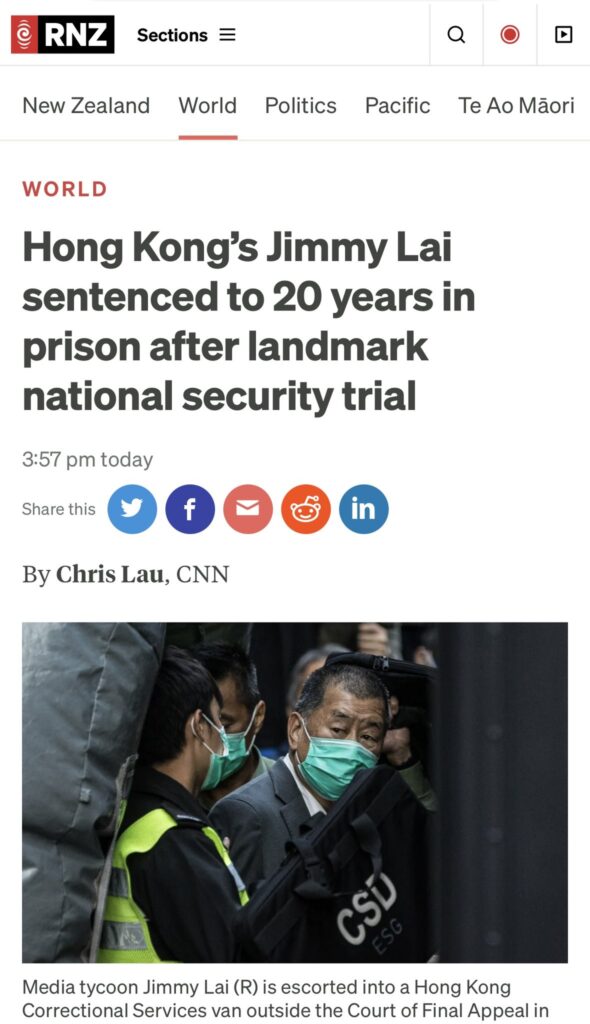
香港传媒大亨黎智英被判监禁20年

(本文是新西兰电台RNZ2月9日转发CNN的报道)

Media tycoon Jimmy Lai (R) is escorted into a Hong Kong Correctional Services van outside the Court of Final Appeal in Hong Kong on February 1, 2021, after being ordered to remain in jail while judges consider his fresh bail application, the first major legal challenge to a sweeping national security law Beijing imposed on the city last year. (Photo by AFP)

2021年2月1日,在香港终审法院外,传媒大亨黎智英被押送上一辆香港惩教署囚车。当时法官下令他继续还押候审,这是北京于前一年在香港实施全面国家安全法后的一宗重大法律挑战案件。(图片来源:AFP)

–

前香港传媒大亨黎智英被判处 20年监禁,为这场持续多年的法律战画上句号。这宗案件已成为北京对这个昔日高度自由的国际金融中心进行全面政治整顿的标志性事件。

现年78岁的白手起家亿万富翁黎智英,是自北京2020年对半自治的香港广泛实施国家安全法以来被起诉的最高知名度政府批评者之一。

这一漫长刑期意味着黎智英要到九十多岁才可能获得假释。此判决很可能在国际社会引发新一轮要求释放他的呼声。这宗具有里程碑意义的审判一直受到西方国家领导人的密切关注,包括美国前总统**Donald Trump**,他曾表示要“把他救出来”。

预计特朗普将在未来数月访问中国,与中国国家主席习近平会晤。黎智英的支持者们预计将游说他在会谈中提及黎智英的案件。

黎智英长期直言批评香港自由空间的收缩——包括向美国高层官员表达相关关切——加上他创办了现已停刊、立场鲜明支持民主的《苹果日报》,早已成为北京的“眼中钉”。

去年12月,经过多年审理,黎智英被裁定 两项国家安全罪名及一项煽动罪成立。

周一宣判时,身穿白色外套、明显消瘦的黎智英微微一笑。开庭前,他双手合十向旁听席致意,并转身望向同样等待判刑的六名前《苹果日报》同事。

这些同事也被判入狱,刑期从 6年9个月至10年不等。《苹果日报》及其关联公司则被罚款 600万港元(约76.7万美元)。

北京和香港特区政府多次驳斥国际社会对黎智英案件的批评,并否认其入狱具有政治动机或是对新闻自由的打压。

国家安全法的实施已彻底改变香港。多名异见人士被监禁,公民社会团体和敢言媒体机构被迫解散,昔日喧闹的政治生态被大幅压缩。

香港及中国中央政府表示,这些措施是在2019年一度演变为暴力的大规模反政府示威后,为“恢复社会稳定”所必须采取的行动。

自上周以来,支持者连续数日排队守候在西九龙法院外,希望在宣判前最后一睹黎智英。

75岁的支持者陈春仪(音译)周四在法院外对CNN表示:“他是香港的一面旗帜。我并不同意他做的所有事情,但我认同他的精神,以及他追求的自由、民主和公义。”

另一位只愿透露名为Andy的支持者说:“黎智英和他的同事值得获得诺贝尔和平奖。”

警方加强了法院外的保安措施,设立封锁线并搜查排队人士。法官亦警告公众不得扰乱庭审秩序,否则将被驱逐出庭。


Hong Kong’s Jimmy Lai sentenced to 20 years in prison after landmark national security trial

Media tycoon Jimmy Lai (R) is escorted into a Hong Kong Correctional Services van outside the Court of Final Appeal in Hong Kong on February 1, 2021, after being ordered to remain in jail while judges consider his fresh bail application, the first major legal challenge to a sweeping national security law Beijing imposed on the city last year. (Photo by AFP)Media tycoon
Jimmy Lai (R) is escorted into a Hong Kong Correctional Services van outside the Court of Final Appeal in Hong Kong on February 1, 2021. Photo: AFP

Former Hong Kong media tycoon Jimmy Lai has been sentenced to 20 years in prison, ending a years-long legal battle that has come to define Beijing’s transformational crackdown on the once-freewheeling financial hub.

The 78-year-old self-made billionaire was among the highest-profile government critics charged since Beijing imposed a sweeping national security law on the semi-autonomous southern city in 2020.

The lengthy sentence – Lai will not be eligible for parole until he is in his late 90s – will likely galvanise international calls for the media mogul’s release in the landmark trial closely watched by Western world leaders, including US President Donald Trump, who previously vowed to “get him out”.

Trump is expected to travel to China in the coming months to meet his counterpart Xi Jinping and many of Lai’s supporters will be lobbying him to raise the jailed media mogul’s case.

Lai’s outspokenness over the Hong Kong’s shrinking freedoms – including to top US officials – and his role as the founder of now-defunct Apple Daily, a fiercely pro-democracy tabloid newspaper, had long made him a thorn in Beijing’s side.

He was found guilty of two national security charges and a sedition charge in December following a years-long court battle.

Lai, looking visibly slim in a white jacket, smiled slightly upon hearing the sentence Monday. Before the court session began, he had put his hands together to greet those sitting in the court gallery and turned to see six former Apple Daily colleagues who were also awaiting sentencing.

Those colleagues were jailed too, receiving sentences ranging from 6 years, 9 months to 10 years behind bars. Apple Daily and its affiliated companies were fined 6 million Hong Kong Dollars (US$767,000).

Both Beijing and Hong Kong’s government have repeatedly rejected international criticism of Lai’s prosecution and dismissed accusations that his jailing was politically motivated or an assault on press freedom.

Beijing’s national security law has transformed Hong Kong, with authorities jailing dozens of dissidents; forcing civil society groups and outspoken media outlets to disband; and neutering the city’s once-raucous political scene.

City and national authorities say their restrictions have “restored stability” following mass anti-government protests in 2019 that turned violent at times.

Supporters had been lining up for days outside the West Kowloon court since last week hoping to catch the last glimpse of Lai.

“He is the flag of Hong Kong,” Chan Chun-yee, 75, who arrived outside the court on Thursday, told CNN. “I don’t agree with everything he did but I aligned with his spirit and the things he pursued, such as freedom, democracy and justice.”

Another supporter, who asked only to be identified as Andy, said: “Lai and his colleagues deserve a Nobel Peace Prize.”

Police ramped up security outside the court complex, setting up cordon lines and searching those lining up. Judges also warned the public not to disturb the court proceeding or face expulsion.


分类
新西兰 热点话题 编辑推荐

【合理量刑】对“偷袭拳“杀人案量刑过轻,让我们一起向国会提交意见!


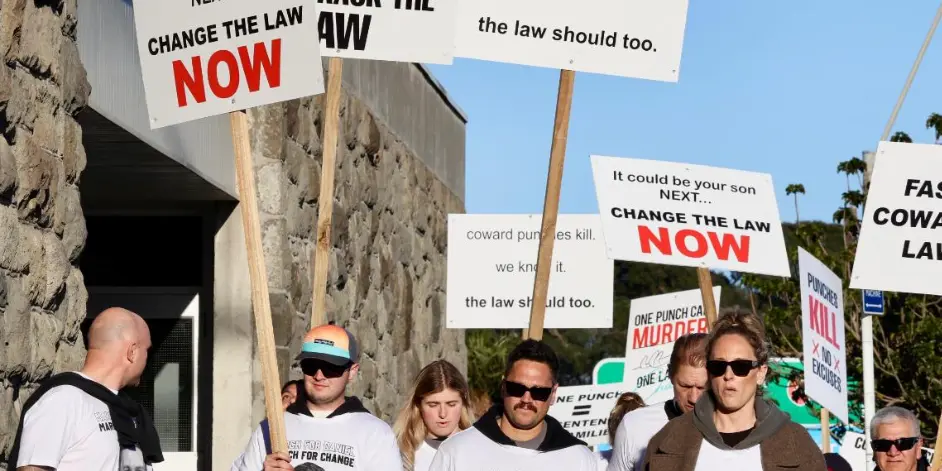
2025年8月,New Plymouth 民众游行到当地法院,呼吁加快推进对偷袭拳(Coward Punch)法案的立法进程。摄影/Luke De Villiers

–

政府提议就“偷袭拳杀人“ (Coward Punch killings)的行为设立一项新罪名,但没有提出最低刑期,这样的立法于事无补。

“偷袭拳”(Coward Punch)指的是施暴者在毫无预警、受害者无法自我防卫的情况下,突然出拳打击其头部或颈部,导致其死亡的犯罪行为。

如果新西兰国会希望这项法律能够遏制“偷袭拳”杀人行为、为受害者伸张正义,就必须包含切实有效的最低不得假释刑期。

“偷袭拳杀戮”行为必须得到公平惩处,至少8年不得假释 。

让法律真正发挥效力——别让它沦为一纸空文!请点此处,向国会提交您的意见 。

按照惯例,新西兰议会正就此议案征询民众意见,意见提交截止时间是2月16日星期一午夜。

所以,请尽快行动!我们已为您准备好体现这一诉求的意见书!

您只需点击此处链接就可向国会提交意见书,请把下面这个英文意见书内容直接在国会网站页面上,只需复制、粘贴就可以发出。


Subject: Submission on Crimes Amendment Bill — Coward Punch killings

I am making a submission on the Crimes Amendment Bill.

I support stronger consequences for Coward Punch killings, but I am concerned the proposed offence is only a label change and will not increase sentencing outcomes.

If Parliament wants this law to deter Coward Punch killings and deliver justice for victims, it must include a meaningful minimum non-parole sentence.

I urge the Justice Select Committee to amend the Bill to include an 8-year minimum non-parole prison sentence for manslaughter by strike to the head or neck.

Thank you for considering my submission.

Name(您的姓名):

Town/City (您所在的城镇):


新西兰对“偷袭拳”量刑过轻

“偷袭拳”(Coward Punch)指的是施暴者在毫无预警、受害者无法自我防卫的情况下,突然出拳打击其头部或颈部,导致其死亡的犯罪行为。

“偷袭拳“的英文词汇是“Coward Punch”,凸显这种行为是令人不齿的懦夫行径。用中国俗话说,就是没有“武德”。

自2011年以来,新西兰共有15起符合这一定义的过失杀人案件。

这些案子之所以被判定为过失杀人(manslaughter), 是因为要证明这些案子中的施暴者有谋杀意图非常困难,或者并不存在明确的杀人意图。

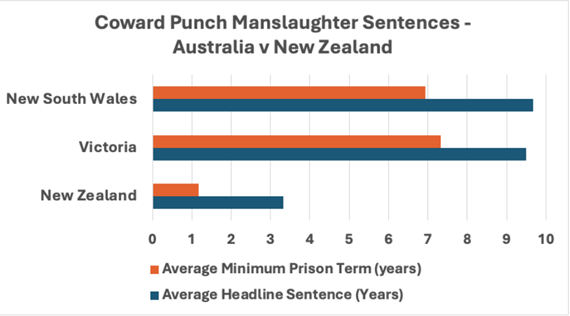
新西兰对““偷袭拳”致死的刑罚远低于澳大利亚的新南威尔士州和维多利亚州。

–

从上图可以看出,新南威尔士州和维多利亚州对“偷袭拳”致死案的凶手判决刑期平均为9年8个月;最低服刑平均至少6年,即至少6年不得假释。

反观新西兰,对“偷袭拳”致人死亡的判决刑期平均为3年4个月,平均服刑14个月即可获得假释或释放。

事实上,在新西兰的“偷袭拳”过失杀人案中,25%的案子的行凶者仅被判处居家监禁。

(上述图表有关新西兰部分的统计基于对自2011年以来新西兰所有“偷袭拳”过失杀人案的判决和服刑情况,但不包括对居家监禁的判决。)


新西兰政府打算作什么

政府提议在《刑事法》(Crimes Act) 中新增一项罪名,即“因击打头部或颈部导致的过失杀人罪”,以专门针对“偷袭拳”造成死亡的犯罪行为。

这项新罪名的最高法定刑期与现行的过失杀人罪相同 ,都是终身监禁。然而,自2002年《量刑法》(Sentencing Act 2002) 通过以来,新西兰还从未有人被判处终身监禁,政府提案的关键点在于,对拟议中的新罪名的刑罚没有设定最低刑期。

如果不设立最低刑期,这项修法提案只是一个空洞的姿态,并不会在实际层面明显提高对“偷袭拳”致死案件的量刑。

这使得《刑事法》对“偷袭拳”杀人的刑罚流于表面。


我们的解决方案

合理量刑信托组织(Sensible Sentence Trust)认为:“偷袭拳”致人死亡是仅次于谋杀罪的第二重罪。”

我们在此呼吁,对偷袭拳导致无辜受害人死亡的行为,应处以至少8年不得假释。

在新西兰,如果杀人意图得到证实,就构成谋杀罪;如果没有杀人意图或无法证实,则构成过失杀人罪。

对谋杀罪的最高刑罚是终身监禁,至少10年不得假释。(参见2002年《量刑法》第103条)。

对“偷袭式”致人死亡案件量刑过轻,是议会的过错,只有议会才能解决这个问题。 如果没有法律规定的最低刑期,法官不可能对这类案子的量刑做出改变。


您能做什么:向国会提交意见书

政府提议将”偷袭拳”杀人设成一个罪名,这一提案包含在一项综合法案 -—《刑事法修正案》(Crimes Amendment Bill)中,已提交至国会司法委员会审议,委员会目前正在征集公众意见,意见提交截止时间为2月16日(星期一) 中国大年三十午夜。

如果您同意我们的观点,请向国会司法特别委员会提交意见书。


如何了解更多相关信息

如果您想了解更多相关信息,请登录合理量刑信托组织页面 – https://www.sst.nz/campaigns/fair-consequences-for-coward-punch-killings

感谢您为了让新西兰成为一个更安全、对受害者更公平的司法体系所做的努力。

请登录合理量刑信托组织官网https://www.sst.nz,在页面底部注册您的电子邮箱地址,以及时接受我们的最新信息。


分类
新西兰 毛芃作品 社交媒体 观点与评论

为杜绝《有害数字通信法》漏洞被利用来滥诉,国会议员Melissa Lee提交改革议案

由于魔王肖志鸿利用《有害数字通信法》的漏洞进行滥诉,2025年12月16日,国家党国会议员 提交了《有害数字通信(政治评论)修正案》,她说,发生在记者Portia Mao 身上的遭遇永远不应再发生。 这一改革方案对新西兰言论自由和新闻自由至关重要。 该修正案要求

– 政治评论被明确赋予更高的保护级别;

– 公共利益和合法目的抗辩被写入法律;

– 法院在作出最终裁决时,必须给予被告人申辩的权利。


分类
新西兰 观点与评论

姚冬蕾:必须让法律来教育那些处心积虑、故意陷害他人的恶棍

–

最近,我一个朋友经历了一场官司——可以说,折腾了大半年的时间,终于等来了一个让人心里舒坦的结果:完胜。

什么叫“完胜”?简单说,就是地区法院判她赢了案子,对方不服上诉,结果上诉被全部驳回。案件彻底落定,正义得到了彰显。

说实话,打官司真的很累。耗精力,耗金钱,更耗心情。人的健康都可能因为口舌是非而受影响。所以,平时没事,别轻易惹官司。

可是,如果你的名誉被损害、利益被侵犯,你不得不走上法律的道路,那就必须坚定地捍卫自己。法律就是你的武器,用它来保护自己,也是对社会正义的一种维护。

当然,如果只是误会、口角,或者对方无心之过,那完全可以通过沟通化解,不必动用法律程序。打官司不是第一选择,而是最后手段。毕竟,官司虽能赢,也会消耗掉太多生活的宁静。

而那些处心积虑、故意陷害他人的人,就必须让法律来教育他们。这不是单纯的胜败问题,而是一种维护社会风气、树立规则意识的方式。

所以啊,生活中尽量少生是非,但一旦自身权益受到威胁,也要勇敢用法律维护自己——稳住心,才能走好路,守住自己的人生和尊严。


奥迪Q7豪车被罚没、华人母女捕捉1162只蛤蜊、960只生蚝


分类
新西兰 编辑推荐

新西兰鲍鱼被非法采集情况严重

根据本国英文报纸报导,新西兰的鲍鱼数量正大幅度地下降,情况严峻。

传统上,新西兰人会在夏天下海采集鲍鱼

–

原来,传统上新西兰人会在夏天时候,从嶙峋的岩石海岸边缘,采集新鲜美味的鲍鱼(毛利人称为Paua,英文又叫Abalone),视为上佳的美食。现在,由于大量的不法分子,进行大规模的「盗采」,有时甚至将一整片海域的鲍鱼全部拿走,鲍鱼已经在很多海湾绝迹了。

鲍鱼业人仕认为,业界原本是有能力,将鲍鱼数量慢慢恢复,回到商业性采集之前的水平的,然后进行可持续性的、定期更替的天然养殖。可是,非法「盗采」活动,每年便拿走商业总额1058公吨的四成(即约400公吨的鲍鱼,大部分会被偷运到亚洲),使到这些「海洋养殖」做法变得不可行。


不要看鲍鱼的外表坚固,其实它们对外在的环境很敏感,并且容易受伤害。它们最理想的生活环境,是经常被高含氧量海浪拍打的岩石海岸,例如新西兰中部海岸线一般的地区便是。鲍鱼不像兔子般长得那么快一头鲍鱼至少要长到四岁大,才可以进行繁殖,到时候,它们会爬上浸在水中的石头上,预备生育。

研究指出,每平方米范围内,需要二至四头成熟的鲍鱼,才有把握使卵子授精成功,否则,幼鲍鱼便出生无望了。十分不幸的是,在南岛海域,当鲍鱼成熟至可以繁殖的时候,它们的身体会到达125毫米的长度,亦即是法例容许的采集尺寸。就是说,很多鲍鱼刚刚到达成熟阶段便被吃掉了。

另外,还有其他因素影响著鲍鱼的生存。它们的主要食粮,一种生长在石头上的红色海藻,会由于各种因素而死亡,例如淡水泛滥淹浸、水污染、沉积物覆盖、被快速行驶船只打起的浪沖擦等等。

幸好现时的鲍鱼贸易主要是输出到中国、香港和新加坡,没有一个本地市场,否则,黑市买卖「盗采」鲍鱼的活动更难控制。本国业内人仕正要求政府,作出更严格的管制,以避免新西兰鲍鱼的消失。我们真的不愿意见到,有一天政府会效法南非和加拿大,全面禁止民众捕捉鲍鱼。

(CCET专栏文章,2010年1月11日)


分类
新西兰 毛芃作品 热点话题 观点与评论

【2026大选】NZ优先党成首个民调赢家  从民调结果看大选日期为何定在11月

本周是2026年开年后,新西兰政治人物们回归工作的第一周。这一周还挺热闹,

2026年1月 19日周一,国家党领袖、政府总理克里斯托弗·卢克森发布了“国情咨文”。

–

1月21日(周三),总理卢克森宣布,今年大选投票日定在11月7日,11月的第一个星期六。

1月22日日(周四),新西兰纳税人联盟公布今年首个Taxpayers’ Union-Curia 民调。

我们就先从这个民调说起。

此次民调最令人瞩目的是新西兰优先党,其支持率飙升3.8 个百分点至 11.9%,创下自2021年初该民调启动以来的最高纪录。

如果换算成国会席位,新西兰优先党将有15个国会席位,是国会小党中所席位数最高的。眼下,新西兰优先党在国会有8个席位。

此次民调对在野的工党 (Labour)也是好消息,因为工党延续了去年12月的支持率高出执政党的势头,支持率上升 2.8 个百分点至 34.4%,国家党 (National) 的支持率上升 1.5 个百分点至 31.5%。

在最受欢迎总理人选的竞争中,国家党领袖卢克森只比工党领袖希普金斯多了1.5个百分点;而且,卢克森的支持率略微下降(0.2个百分点),至19.5%,希普金斯的支持率则上升了0.2个百分点至18%。

新西兰的MMP选举制度下,一个大党很难获得超过半数的国会席位,大党通常都需要政治理念相近的小党合作组阁方能执政。

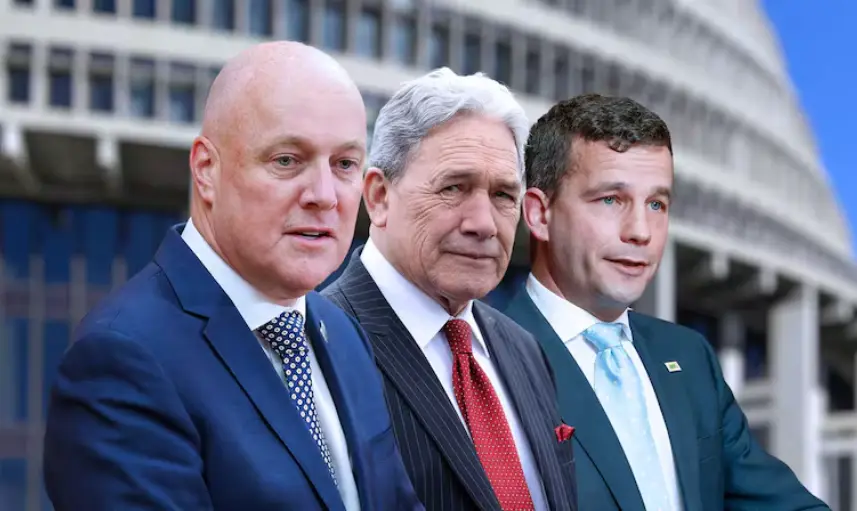
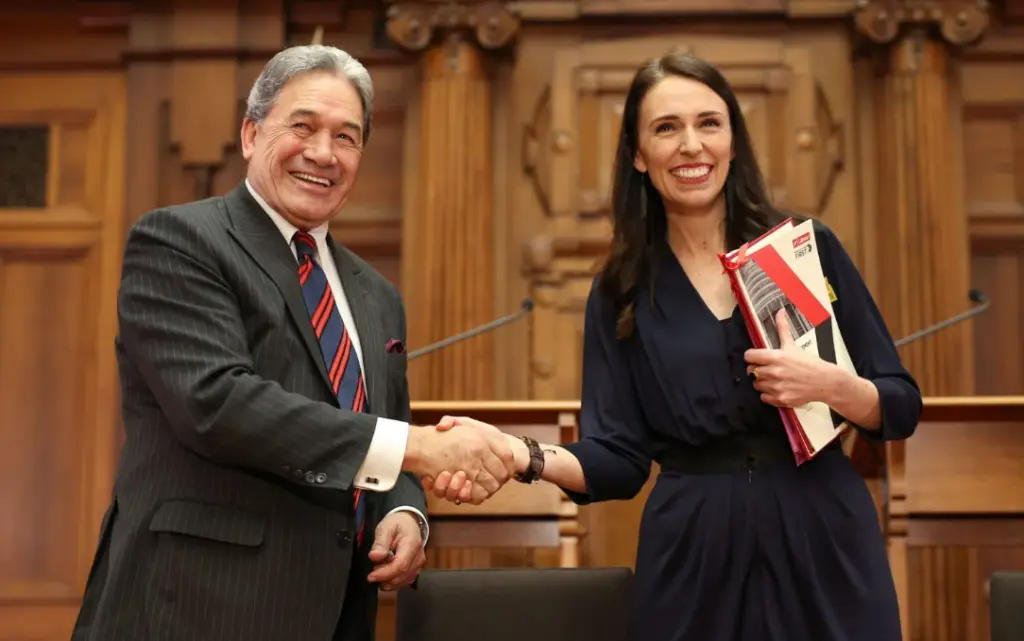
现在的联合政府由卢克森(左一)领导的国家党、温斯顿·彼得斯领导的新西兰优先党(中)和David Seymour领导的行动党组成


眼下的联合政府是国家党加行动党和新西兰优先党。行动党 (ACT) 这一次的支持率下降 1.9 个百分点至 7.0%,其支持者也许改为支持新西兰优先党了。

根据此次民调,现在执政的中间偏右联合政府所获得的支持率仍然高于工党加绿党和毛利党的偏左阵营。

然而,如果大选后温斯顿·彼得斯如果选择同工党结盟,那情况可能就会不同了。这种可能并非不存在。

新西兰政坛历史上,温斯顿·彼得斯同工党结盟过,同国家党结盟过,他有个响亮的称号–“ King Maker”(王位制造者),他领导的新西兰优先党同哪位大党合作,该党领袖就顺理成章成为新西兰总理。

最典型的恐怕就是2017年大选。大选前的执政党国家党虽然在选举中获得56个席位,比反对党工党多出足足10个席位,然而,因为仅有9个席位的优先党选择了同工党和绿党阵营结盟,把当时将名不见经传的 37岁工党领袖Jacinda Ardeng 推向总理宝座,最终导致带领国家党在选举中取得最多国会席位的领袖Bill English、新西兰政坛的重要政治人物在2017 年 11 月辞去国家党党魁职务、  2017 年 12 月 31 日辞去国会议员职务,黯然退出政坛。

–

–

这就是新西兰MMP选举制度下可能出现的匪夷所思的现象 — 获得最多国会席位的政党未必能够进入政府主政,席位不及自己的政治对手只要有足够多的小伙伴支撑,照样能上位。

因此,虽然当下的三党联盟政府在今年首次民调中获得多数席位,但今年11月大选后是否还能再度结盟组阁还很难说。

众说周知,彼得斯强烈反对国家党主导的同印度签订自由贸易协议的事项,因为他担心这会附带大量的印度人入境新西兰,对本地就业与工资水平造成压力。

也许是因为彼得斯反对同印度达成自贸协定的坚定立场,成为新西兰优先党在大选年首次民调中大放异彩的关键缘由。

要知道,同一家民调公司在2025年12月3日公布的民调中, 新西兰优先党的支持率只有8.1% 。

另外值得注意的是,在今年的首个民调中, 新西兰民众对国家发展方向的整体信心大幅下降,净支持率下降9.8个百分点;仅有三分之一(32.6%)的受访者对国家的发展方向感到满意,而一半(49.0%)的受访者认为国家正走在错误的道路上。

从这个民调结果来看, 卢克森总理把今年大选日子定在11月7日,11月的第一个星期六,很可以理解。

因为,这能给政府足够的时间让新西兰经济重回正轨,让大家看到以国家党为首的联合政府执政的好处。

在1月19日周一发表的“国情咨文”中,卢克森总理承认,过去的半年对新西兰人来说十分艰难。不过,他试图将严峻的经济形势归咎于海外冲击,例如美国特朗普政府的关税政策。

据新西兰英文媒体 Newsroom 元月23日本周五的报道,新西兰每六位选民中,就有一人生活在海外!可见新西兰人才流失的严重。这么多人背井离乡,有多少是因为看不到国家的前途,看不到自己的发展机会。

财政部预测,下半年GDP将回升,失业率将开始下降。国家党自然是期待有更多时间让萌芽中的“复苏迹象”充分绽放,让选民感受到经济复苏带来的实际好处,最终赢得选举。

大选日定在11月7日,这是自2011年以来最晚的一次。

每次新西兰大选,日期都不同。在新西兰,大选日期是总理说了算。这可是新西兰总理可以行使的为数不多的权力之一。

其实,自2008年到现在的六届大选中,投票日有两次在9月,两次在10月,有两次在11月。

所以,大选日子定在11月,也不算出格。

大选年里,经常会“风云突变”,新西兰经济是否如国家党所愿能得到有效改善,年已80、仍然精力十足的新西兰优先党领袖、King Maker 温斯顿·彼得斯今年会有什么惊人表现,咱们拭目以待!